
The Importance of FF&E in Hotel Renovations

When hotels undergo renovations, their owners and managers look at every choice through multiple lenses. Three items they consider in this process are furniture, fixtures, and equipment (FF&E).
Although some may focus more on construction, these categories can have a major impact on the success of their projects and, ultimately, their businesses. Read on to learn more about the importance of FF&E in hotel renovations and the various factors that they affect.
First Impressions
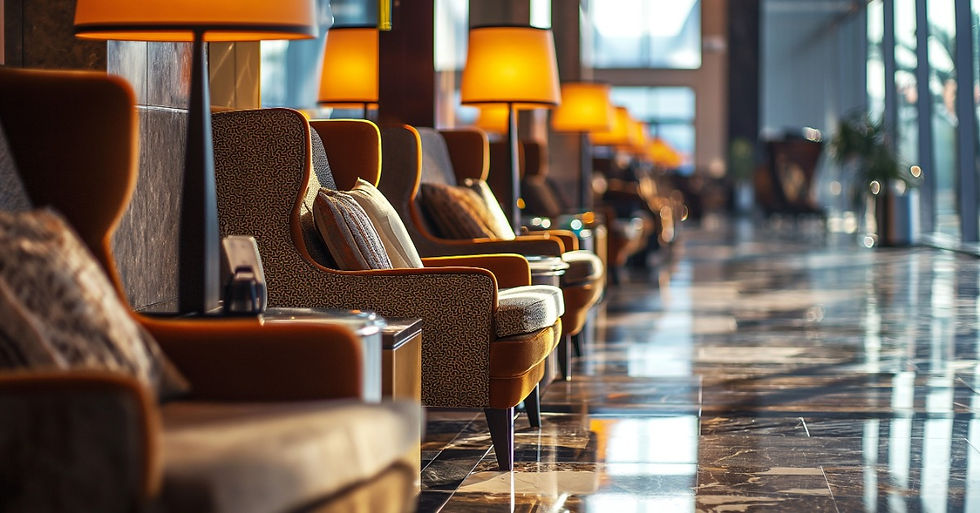
Guests start forming opinions as soon as they walk into a hotel lobby. The seating, lighting, and air-conditioning systems in those spaces help create an atmosphere that feels intentional and aligned with the hotel’s identity. When these pieces work together, the property can feel more welcoming before a guest speaks with staff.
First impressions matter because guests compare what they see with what they expected from the location. For instance, a dated chair or mismatched lamp can make a renovated space feel unfinished, even when other parts of the project look new. Thoughtful FF&E choices help each area support the experience that hotel owners and managers want guests to remember.
Brand Standards
Hotels need to follow brand standards that guide how their spaces look and function for guests. FF&E plays a significant role in meeting those standards because many brands outline expectations for aspects such as guestroom furniture and amenity area lighting. Owners and managers need to understand those expectations before renovation work begins.
Brand standards also help properties maintain a consistent guest experience across locations. When FF&E selections meet those standards, guests can recognize the level of comfort and style associated with the hotel brand. This consistency can support guest trust while giving each renovated space a more cohesive look.
Guest Comfort
Another reason why FF&E in hotel renovations is so important is that it can affect guest comfort. Although your clients may not know every detail behind the renovation, they will notice comfort right away. Mattresses and window coverings can affect how well guests sleep and relax during their stay. FF&E provides hotel teams with a practical way to enhance comfort.
Comfort also comes from the small physical details guests notice throughout their stay. A supportive chair and well-placed lighting can help shape how relaxed guests feel. When FF&E choices support ease and a more pleasant in-room experience, the renovation can make the stay feel more comfortable from start to finish.
Better Room Function

A hotel room needs to support the way guests actually spend time in the space. FF&E affects where they place luggage, plug in devices, finish work, or watch television. When beds, desks, seating, lighting, and mirrors fit the layout, guests can move through their routines with less frustration.
Guests also notice when a room does not support simple needs. A chair may look attractive but feel awkward for working, or a nightstand may not offer enough room for personal items and charging devices. When hotel owners and managers think about guest habits during FF&E planning, the room can feel more useful.
Easier Cleaning Access
FF&E can also affect how easily employees clean guestrooms and public areas during daily operations. Furniture that leaves room around beds and desks gives housekeeping teams better access to surfaces and high-touch areas. When pieces fit the room instead of crowding it, employees can move through their work with fewer obstacles.
Cleanability also depends on the materials, shapes, and placement of FF&E throughout the hotel. Smooth surfaces and practical upholstery can help staff keep spaces looking guest-ready. When hotel teams consider cleaning needs during FF&E planning, the renovation can support both employees and the guest experience.
Stronger Public Spaces
Public spaces influence how guests use the hotel beyond their rooms. Lobby furniture, communal tables, and lighting can invite guests to gather, wait, work, or relax. FF&E helps those spaces serve multiple purposes while still feeling organized.
Public areas also shape how guests remember the property because they see and use them throughout the stay. A lobby with comfortable seating and useful tables can support arrivals and downtime between activities. When FF&E supports these moments, public spaces can enhance the overall guest experience.
Technology and Amenity Support
Modern guests expect hotel rooms and shared spaces to support their devices and preferred ways of using amenities. FF&E can affect where outlets, charging areas, and work surfaces make the most sense. Furniture and fixtures need to support those features rather than fight against them.
Amenities also depend on FF&E that fits how guests use each area. A fitness room, breakfast space, or business area needs furniture and fixtures that support movement, comfort, and convenience. When FF&E works with the hotel’s amenities, guests can use those spaces with less friction.
Space Durability
FF&E affects how well renovated hotel spaces withstand frequent guest use. Chairs, tables, beds, and lighting all need to support daily activity. When hotel owners and managers choose pieces with regular hotel use in mind, the renovation can continue to look and function as intended.
For example, even though a guestroom desk may look right at the time of installation, it also needs to maintain its appearance while enduring everyday wear. When hotel managers consider durability in FF&E, they can better ensure their finished spaces support both guest expectations and hotel operations.
A Sense of Completion
A renovation can include many visible updates, but FF&E strongly influences whether the finished property feels complete at the end of the project. New flooring and wall finishes may refresh a space, yet old or mismatched furniture can weaken the overall result. FF&E helps bring the renovated areas together into one finished guest experience.
Completion also depends on consistency from one space to the next. Guestrooms, corridors, lobbies, dining areas, and amenity spaces should feel connected thanks to FF&E rather than unrelated. When FF&E supports that connection, the renovation can feel more intentional from arrival through checkout.
Ultimately, a hotel renovation should leave guests with spaces that feel comfortable and useful. FF&E choices play a large role because they shape the moments guests notice most, from where they sit to how easily they settle into the room.
When your property needs support from a hotel renovation company that understands how FF&E can affect hospitality spaces, contact Triple Mint LLC. We can help you deliver a stronger guest experience.


Comments