
10 Hotel Renovation Trends Shaping the Future of Hospitality

As the hospitality industry evolves, hotel owners and managers continue to rethink how their properties can serve modern travelers. Guests now expect spaces that feel intentional, flexible, and aligned with evolving lifestyles.
Renovations should no longer focus solely on appearance, as functionality and experience now guide every decision. Let’s examine 10 hotel renovation trends shaping the future of hospitality.
Sustainable Materials and Finishes
Sustainability now drives many renovation decisions as hotels seek to reduce their environmental impact while improving guest perceptions. Designers and contractors increasingly select materials that last longer and reduce waste across the property’s lifecycle. This approach helps hotels create spaces that feel modern while aligning with values that matter to today’s travelers.
Hotels also rethink how materials contribute to the overall guest experience rather than focusing only on durability. Natural textures and responsibly sourced finishes help create a more inviting and grounded atmosphere. These choices allow properties to balance visual appeal with long-term performance in a way that feels intentional and forward-thinking.
Flexible Multi-Use Spaces
Hotels now design common areas that adapt throughout the day instead of serving a single purpose. For example, a lounge might serve as a co-working space in the morning and become a social hub in the evening. This flexibility allows properties to maximize space while meeting the needs of a wider range of guests.
Operators also find that flexible spaces better support changing travel behaviors than traditional layouts. Guests appreciate environments that feel dynamic and responsive to their routines. This shift encourages hotels to think beyond static design and embrace spaces that evolve with demand.
Tech-Integrated Guest Rooms

Technology continues to reshape the in-room experience as guests expect seamless connectivity and intuitive controls. Smart lighting, mobile room access, and integrated entertainment systems now appear in many renovation plans. These upgrades enhance convenience and create a more personalized stay without overwhelming guests.
Hotels are also looking at how to keep technology unobtrusive while still delivering value. Clean interfaces and simple controls help guests interact with systems without frustration. This balance ensures that technology enhances the experience instead of becoming a distraction.
Wellness-Focused Design
Wellness has become a central theme in hospitality design as travelers prioritize both physical and mental well-being. Renovations now include features like improved lighting, calming color palettes, and spaces designed for relaxation. These elements help guests recharge while creating a memorable and restorative environment.
Hotels are also exploring ways to integrate wellness into multiple areas of the property. Thoughtful layouts and quiet zones give guests opportunities to unwind throughout their stay. This approach creates a consistent sense of comfort that extends beyond individual rooms.
Localized and Authentic Design Elements
Another hotel renovation trend shaping the future of hospitality is the shift away from generic interiors and a greater focus on the character of their locations. Renovations often include regional materials, artwork, and design details that can connect guests to the surrounding community. This strategy creates a stronger sense of place and enhances the overall guest experience.
Guests increasingly value experiences that feel unique and rooted in their destinations. Authentic design elements help hotels stand out while creating a deeper emotional connection. This focus encourages properties to celebrate local identity through thoughtful design choices.
Outdoor Space Enhancements
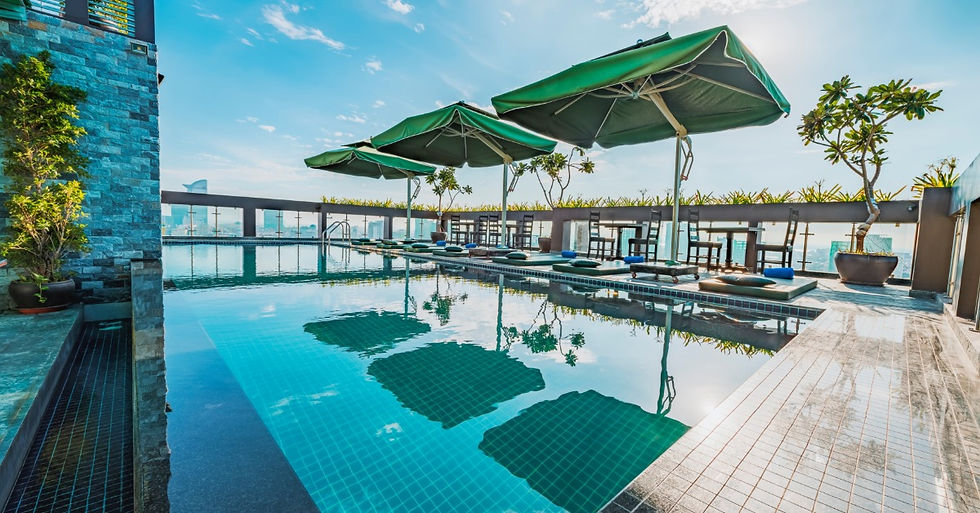
Outdoor areas have become increasingly important as guests seek fresh air and open spaces during their stays. Recent hotel projects often expand patios, rooftop spaces, and landscaped areas to encourage relaxation and social interaction. These improvements allow hotels to extend usable space while offering a more dynamic experience.
Hotels are also using outdoor spaces to create memorable moments that set their properties apart. Comfortable seating and intentional layouts encourage guests to spend more time outside. This trend reflects a broader shift toward seamlessly blending indoor and outdoor environments.
Streamlined and Minimalist Aesthetics
Many hotels now embrace clean, uncluttered designs that emphasize simplicity and functionality. They have called upon hotel renovation contractors to remove unnecessary elements and incorporate quality materials and thoughtful layouts. This approach creates a calm and modern atmosphere that appeals to a wide audience.
Minimalist design also supports easier maintenance and a more consistent visual identity. Guests often respond positively to spaces that feel organized and intentional. This trend encourages hotels to prioritize clarity and purpose in every design decision.
Energy-Efficient Systems and Infrastructures
Hotels continue to upgrade systems that improve energy performance and reduce resource consumption over time. Renovations often include updated lighting, HVAC systems, and water management solutions that operate more efficiently. These improvements support long-term operational goals while enhancing guest comfort.
Efficient systems also contribute to a smoother overall experience for both guests and staff. A reliable infrastructure also reduces disruptions and supports consistent customer service. This focus on performance helps hotels maintain high standards across their properties.
Personalized Guest Experience Features
Personalization has become a major focus as hotels aim to stand out in a competitive market. Their renovation projects now incorporate features that allow guests to tailor their stay, from adjustable room settings to curated in-room amenities. These details create a stronger connection between the guest and the property.
Hotels also recognize that personalization extends beyond the physical space and into how services are delivered throughout the stay. Mobile apps that allow guests to choose room preferences before arrival, digital concierge services that recommend local dining or activities, and flexible housekeeping scheduling all support a more tailored experience. Some properties also integrate loyalty-based preferences, such as preset room temperatures or favorite entertainment options, which create a sense of familiarity and convenience, encouraging repeat visits.
Social and Community-Oriented Spaces
One last trend is that hotels are increasingly adding spaces that encourage interaction among guests and locals. Renovations often include open seating areas, shared tables, and inviting layouts that promote conversation. This trend reflects a shift toward creating experiences that extend beyond the guest room.
Community-focused spaces also help hotels position themselves as gathering places within their area. Guests appreciate environments that feel lively and engaging. This approach strengthens the connection between the property and its surrounding community.
Hotel renovation trends will continue to evolve as guest expectations shift and new opportunities emerge across the industry. Owners and managers who stay informed of these shifts can make smarter decisions that improve both experience and long-term performance.
If you need expert support in bringing these ideas to life on your property, contact Triple Mint LLC today. Our experience allows us to excel at achieving our clients’ visions for their renovations.


Comments