
A Complete Guide to Hotel Renovation Timelines

Hotel renovations rarely follow a one-size-fits-all schedule, and that reality can create confusion for owners and managers. You might plan around brand standards, guest expectations, or seasonal demand, yet timelines still shift.
Understanding how long different types of renovations take helps you set realistic expectations and keep operations running smoothly. That’s exactly what this complete guide to hotel renovation timelines aims to clarify.
Different Sizes and Lengths of Hotel Renovations
Not all hotel renovations follow the same timeline, and the scope of work plays a major role in how long a project takes. Understanding the different types of renovations can help you plan your schedule more effectively and set realistic expectations.
Cosmetic Refresh Projects
Cosmetic refreshes represent the quickest type of hotel renovation, and many properties complete them within a few weeks. These projects focus on visual updates rather than structural changes so that teams can move quickly from one area to another.
Guestrooms often receive new paint and updated finishes that elevate the look without major disruption. Managers often phase these updates floor by floor to keep rooms available.
Partial Renovations
Partial renovations typically take several months, depending on how many areas you plan to update at once. These projects go beyond surface-level changes and often include upgrades to bathrooms, flooring, or case goods.
Teams coordinate work across multiple spaces, which requires tighter scheduling and sequencing. Many hotels complete these renovations in stages to balance guest experience with operational needs.
Full Guestroom Renovations
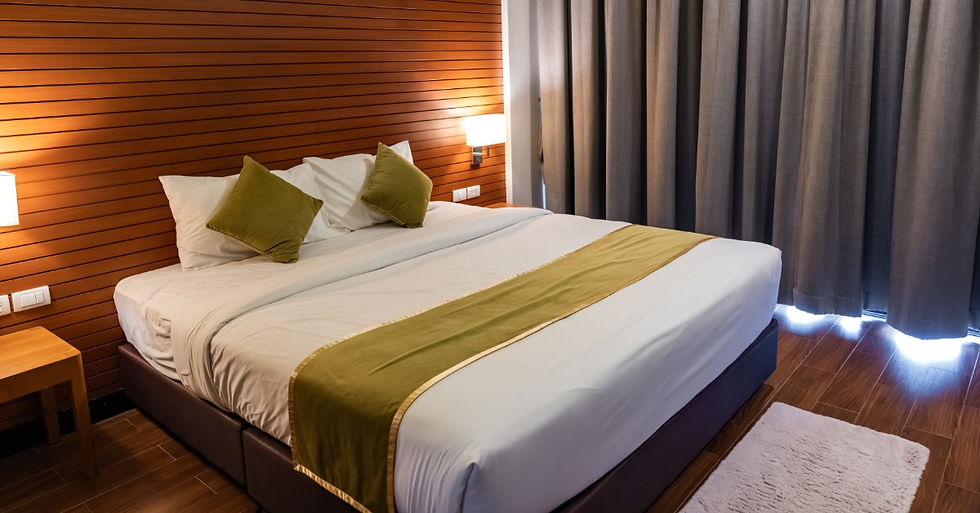
A full guestroom renovation usually takes several months to a year for an entire property. Crews strip rooms down and rebuild them with new layouts, fixtures, and finishes that align with brand standards.
This level of work demands careful coordination between trades to keep progress steady. Hotel managers often rotate room blocks offline to keep parts of the property operational throughout the process.
Public Space Renovations
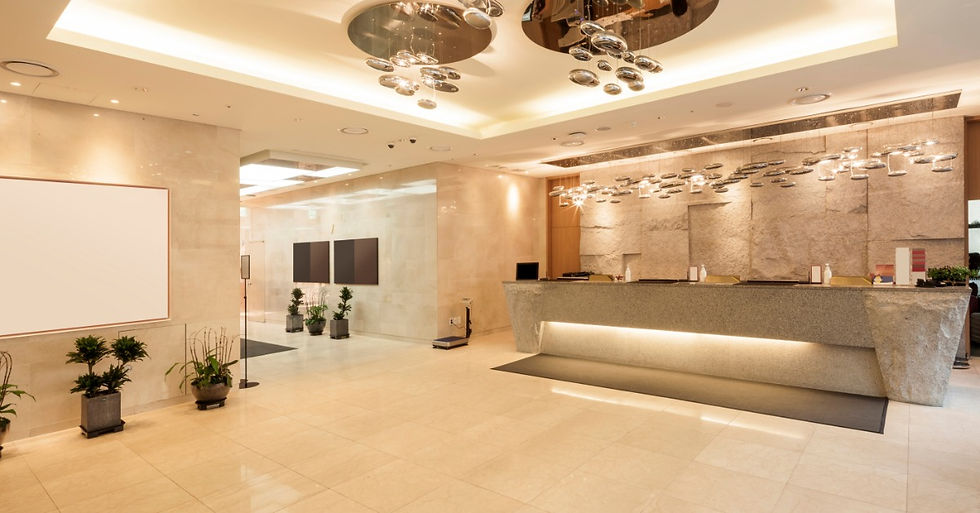
Renovating lobbies, corridors, and shared spaces can take anywhere from a few months to longer, depending on design complexity. These areas require precise scheduling because they impact every guest who walks through the property.
Teams often work in sections or during off-peak hours to reduce disruption. A well-planned timeline keeps the hotel functional while still delivering noticeable improvements.
Full Property Renovations
Full property renovations represent the most time-intensive projects and often take several months to over a year. These renovations include guestrooms, public spaces, and back-of-house areas.
Teams must coordinate multiple workstreams, which requires detailed planning and constant communication. Many hotels temporarily close sections of the property or the entire property to allow crews to work efficiently and maintain momentum.
Factors That Can Affect Project Length
It’s also important to note in this guide to hotel renovation timelines that several variables can influence how long a project actually takes, even if you have a full plan in place. Recognizing these factors early can help you stay flexible and keep your project moving forward.
Project Scope and Complexity
The overall scope drives the timeline more than any other factor. A straightforward refresh moves quickly, while a complex renovation with multiple upgrades requires more time and coordination.
Each additional layer of work introduces new steps that teams must complete in sequence. Clear planning at the start helps define expectations and reduce delays later.
Property Size and Layout
Larger properties naturally require more time because crews must cover more rooms and common areas. A hotel with multiple buildings or unique layouts can slow progress if teams need to move equipment and materials between spaces.
Efficient staging and planning can help teams stay organized, but size still plays a major role in the overall timeline. Managers should account for this early when setting expectations.
Phasing and Occupancy Strategy
Hotels rarely shut down completely during renovations, which means teams must work around active guests. Phased renovations allow properties to remain open, but they also extend timelines because crews cannot access every area at once.
Managers must decide how many rooms to take offline at a time and how that decision affects progress. A balanced approach allows them to continue serving customers while still allowing steady work.
Coordination Between Teams
Successful renovations rely on strong coordination between contractors, vendors, and hotel staff. Each group plays a role in keeping the project on track, and miscommunication can slow everything down.
Teams must align schedules so that each phase flows smoothly into the next. Consistent communication helps avoid downtime and keeps progress moving forward.
Brand Standards and Design Requirements
Many hotel renovations follow brand-driven updates, which can shape both scope and timeline. Designers and brand representatives often set specific requirements that guide materials, layouts, and finishes.
These standards can add time if teams need to adjust plans or wait for approvals. Clear alignment early in the process helps reduce back-and-forth and keeps the project moving.
Material Availability and Logistics
Materials must arrive on time to keep crews productive, and delivery delays can impact the schedule. Teams often plan procurement carefully to match installation timelines.
Storage, staging, and transportation also affect how quickly crews can move from one phase to the next. Strong logistics planning keeps the project on track and prevents unnecessary slowdowns.
Weather and External Conditions
Weather can influence timelines, especially for properties that require exterior work or rely on outdoor access points. Unexpected conditions can slow progress or shift schedules, even when teams plan carefully.
Managers should build flexibility into timelines to account for these variables. A proactive approach helps minimize disruptions and keeps the project moving.
Existing Property Conditions
Older properties or those with hidden issues can extend timelines once crews begin work. Teams sometimes uncover conditions that require additional attention before they can proceed.
These discoveries can shift schedules and require quick decision-making from management. A thorough assessment before starting helps reduce surprises, but some variability remains.
Hotel renovation timelines depend on many moving parts, and understanding them helps you plan with confidence. When you align your project scope, property needs, and operational strategy, you set the stage for a smoother renovation process. The right partner can make a significant difference by guiding timelines and keeping work organized from start to finish.
One company that can make that difference on your next project is Triple Mint LLC. Contact us today to learn more about our extensive experience, which includes numerous PIP renovations. We bring a hospitality-focused approach to every project, and can do the same for your upcoming renovation.


Comments